Pregnancy brings many changes, and oral health is an important part of overall wellbeing. Hormonal changes can make gums more sensitive, while nausea, changes in eating patterns and difficulty brushing may increase the chance of discomfort or dental problems.
Keep a simple daily routine
Brush gently twice a day with fluoride toothpaste, clean between the teeth where possible and drink water regularly. If nausea makes brushing difficult, try a smaller, soft toothbrush and choose a time of day when symptoms are calmer. After vomiting, rinse with clean water and wait before brushing to protect softened enamel.
Do not ignore pain or swelling
Bleeding gums can occur during pregnancy, but persistent bleeding, toothache, swelling, a bad taste or fever should be assessed. Tell the dental team that you are pregnant, how many weeks you are and which medicines or supplements you take. This helps the clinician plan appropriate care.
Plan routine reviews
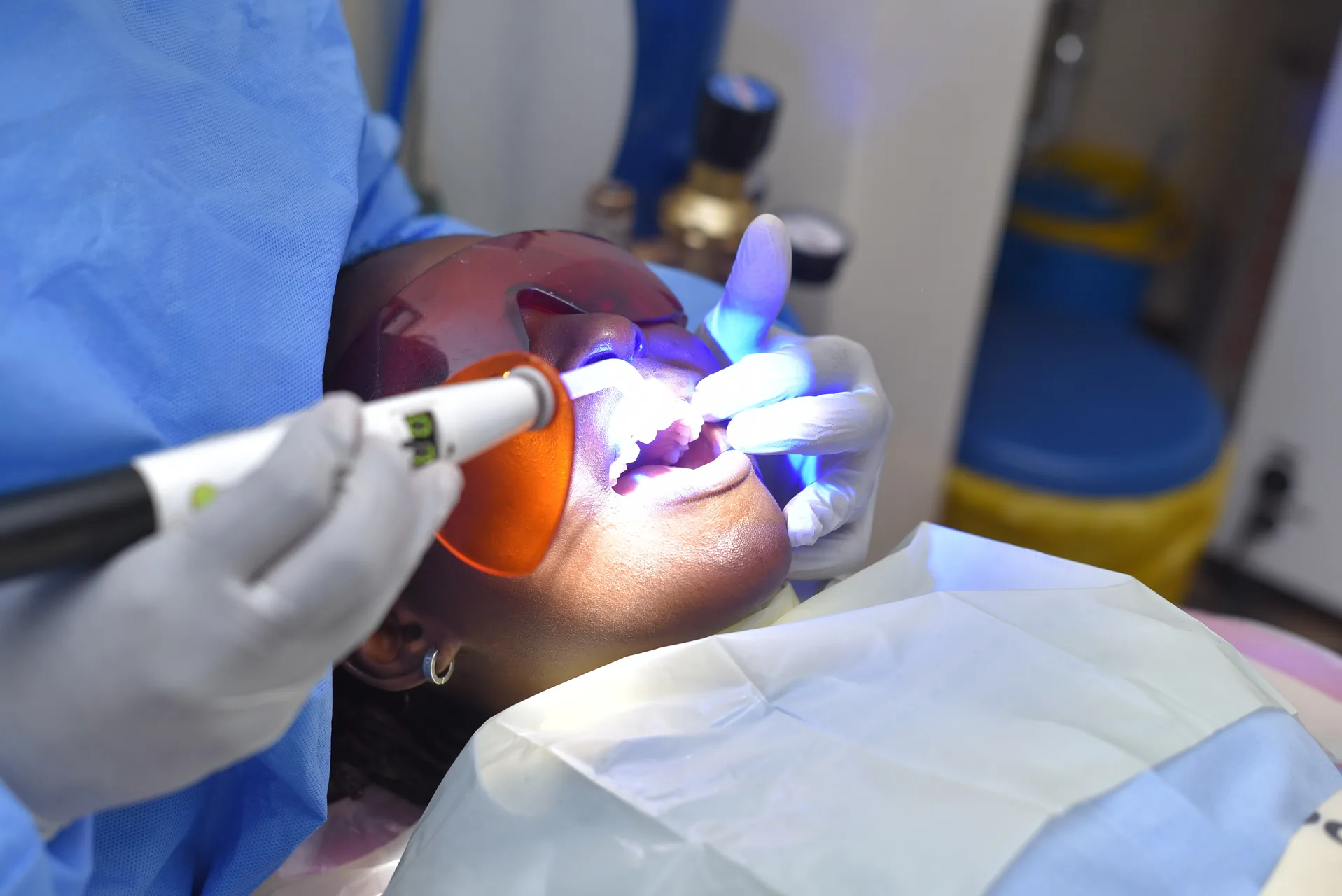
A dental assessment can identify problems early and provide personalised advice. Necessary dental care should not automatically be postponed because of pregnancy; timing and treatment choices are decided with the patient’s clinical situation in mind.
Coordinate with your maternity team
Let your maternity clinician know about significant infection, severe pain or medicines prescribed elsewhere. At Doctors’ Hospital Sseguku, maternity and dental teams can help coordinate care when both perspectives are needed.
Dental clinic: 8am–5pm. Please call reception to confirm availability before travelling.
This article provides general information only. For advice about your health, arrange a clinical consultation. For severe or rapidly worsening symptoms, seek urgent care.