When someone becomes suddenly unwell, timely information can make a major difference. Diagnostic services help clinicians understand what may be happening, identify urgent risks and choose the most appropriate next step.
Diagnostics support the full care pathway
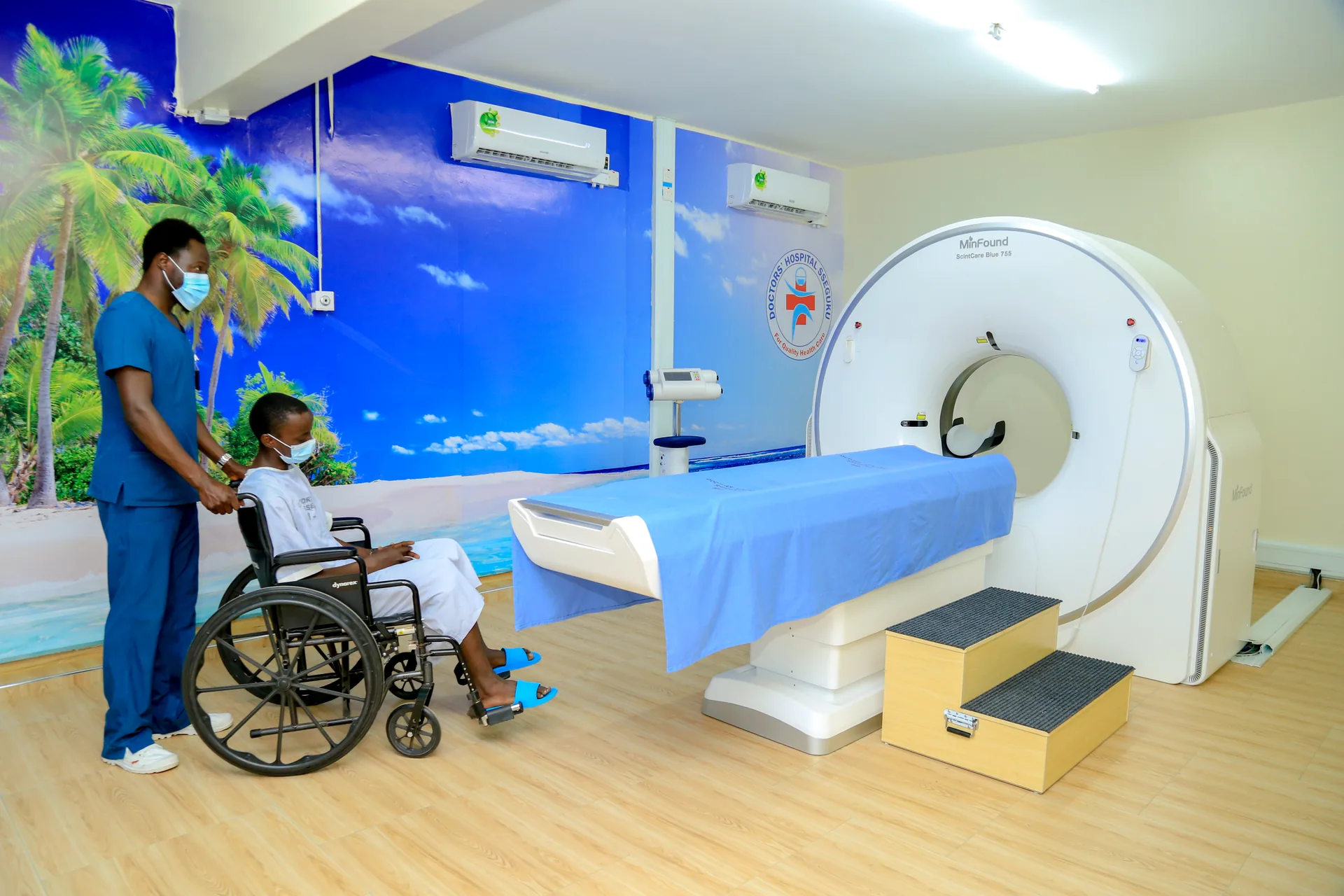
Assessment often begins with a clinical history and examination. Depending on the findings, a clinician may request CT scan, radiology, laboratory testing, digital X-ray, ultrasound, ECG, echo or Doppler studies. Results are interpreted together with the patient’s symptoms and examination—not in isolation.
Why round-the-clock access helps
Illness and injury do not follow office hours. Access to selected imaging and laboratory services during the night can support emergency assessment, inpatient monitoring, maternity care and decisions about surgery, admission or referral.
What patients should bring
Bring any request form or referral letter, previous results that relate to the current problem, a list of medicines, identification and insurance details if applicable. Some tests require preparation, such as fasting or a full bladder, so ask for instructions when booking.
Results and follow-up
The time needed for a result depends on the investigation. Ask the care team when and how your result will be reviewed. A result should always be discussed with an appropriately qualified clinician who understands your wider health picture.
Doctors’ Hospital Sseguku provides 24-hour digital X-ray and ultrasound access, alongside CT scan, radiology, laboratory and other diagnostic support. Call reception for preparation instructions or service availability.
This article provides general information only. For advice about your health, arrange a clinical consultation. For severe or rapidly worsening symptoms, seek urgent care.